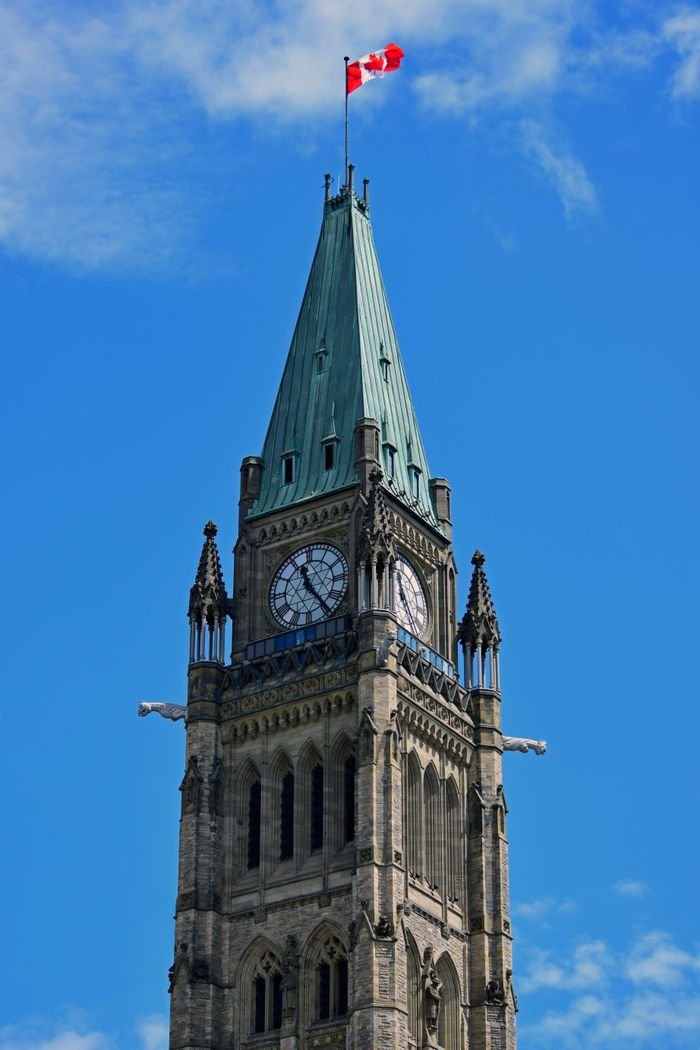
Learning about Canada’s history helps young people understand the country they live in, appreciate its diversity, and recognize the experiences that shaped Canadian society. Through accessible and engaging educational resources, students and families can explore Canada’s heritage beyond traditional textbooks.
At Canada150Years, we are committed to creating educational content that makes Canadian history meaningful, inclusive, and enjoyable for learners of all ages.
Making Canadian History Accessible
History can sometimes feel like a collection of distant dates, names, and events. Effective educational resources bring those stories to life by connecting historical moments with people, places, communities, and experiences.
Articles, timelines, photographs, videos, interactive activities, and discussion guides can help students understand complex topics in a clear and engaging way. These resources also allow teachers and parents to introduce historical subjects according to a learner’s age, interests, and level of understanding.
By making educational materials easy to access, more Canadians can discover the stories that have contributed to the country’s development.
Supporting Learning in Schools
Teachers play an important role in helping students develop an informed understanding of Canada. Educational resources can support classroom learning by providing additional information, activities, and perspectives related to Canadian history, geography, culture, and citizenship.
Teachers may use heritage resources to introduce topics such as:
- Indigenous histories and cultures
- Canadian Confederation
- Immigration and multiculturalism
- Canadian inventions and achievements
- Military history and remembrance
- Civil rights and social progress
- Provincial and territorial history
- Historic landmarks and local communities
These topics can encourage students to ask questions, examine evidence, compare different perspectives, and understand how past events continue to influence Canada today.
Encouraging Family Learning
Education does not only happen in the classroom. Families can explore Canadian heritage together through conversations, community visits, creative projects, and shared research.
Parents and children can visit museums, historic sites, cultural centres, monuments, libraries, and local archives. They can also explore old family photographs, interview grandparents, create family trees, or investigate the history of their neighbourhood.
These activities help children recognize that history is not limited to famous national events. Their own families and communities are also part of Canada’s continuing story.
Recognizing Indigenous Perspectives
Inclusive Canadian education must acknowledge that Indigenous Peoples have lived on these lands for thousands of years. First Nations, Inuit, and Métis histories, cultures, languages, knowledge systems, and traditions are foundational to understanding Canada.
Educational resources should present Indigenous experiences respectfully and accurately. They should also help learners understand treaties, colonialism, residential schools, Indigenous rights, cultural resilience, and reconciliation.
Listening to Indigenous voices and learning from Indigenous-led resources can help young Canadians develop respect, empathy, and a more complete understanding of the country’s history.
Celebrating Canada’s Cultural Diversity
Canada is home to people from many cultural, linguistic, religious, and ethnic backgrounds. Generations of immigrants and refugees have contributed to the country’s economy, institutions, neighbourhoods, arts, food, and community life.
Educational content that represents diverse experiences allows students to see themselves reflected in Canadian history. It also introduces them to communities and perspectives different from their own.
By learning about both achievements and challenges, young people can better appreciate the courage, resilience, and contributions of Canadians from every background.
Engaging Young People Through Interactive Learning
Young learners often understand information more effectively when they can actively participate. Educational activities can transform history into an experience rather than simply a subject to memorize.
Students can create historical timelines, prepare presentations, write diary entries from a historical perspective, design posters, study archival photographs, or research an important Canadian figure.
Other engaging activities may include:
- Heritage quizzes and puzzles
- Printable worksheets
- Community history projects
- Classroom discussions and debates
- Historical storytelling exercises
- Virtual museum and landmark tours
- Canadian geography challenges
- Oral history interviews
These activities encourage creativity while helping learners develop research, communication, and critical-thinking skills.
Developing Responsible Canadian Citizens
Learning about Canadian history supports more than academic achievement. It helps young people understand democratic values, human rights, civic responsibilities, and the importance of participating in their communities.
Students who study Canada’s progress and past injustices can better understand why equality, inclusion, and reconciliation matter. They can also recognize how individuals and communities have worked together to create change.
Heritage education encourages young Canadians to consider their role in shaping the country’s future.
Connecting the Past With the Present
Historical education becomes more meaningful when learners can connect past events with current issues. Discussions about immigration, language, Indigenous rights, environmental protection, equality, and national identity all have deep historical roots.
By examining these connections, students can understand that history continues to influence laws, institutions, attitudes, and community relationships.
This approach encourages learners to think critically instead of viewing history as something that ended long ago.
Building a Lifelong Interest in Canadian Heritage
A positive introduction to history can inspire a lifetime of curiosity. Young people who are encouraged to explore their heritage may become future educators, researchers, community leaders, artists, archivists, historians, or engaged citizens.
At Canada150Years, our goal is to support schools and families with educational resources that are informative, inclusive, and inspiring.
By helping the next generation learn about Canada’s past, we can encourage them to respect its diversity, preserve its heritage, and contribute thoughtfully to its future.