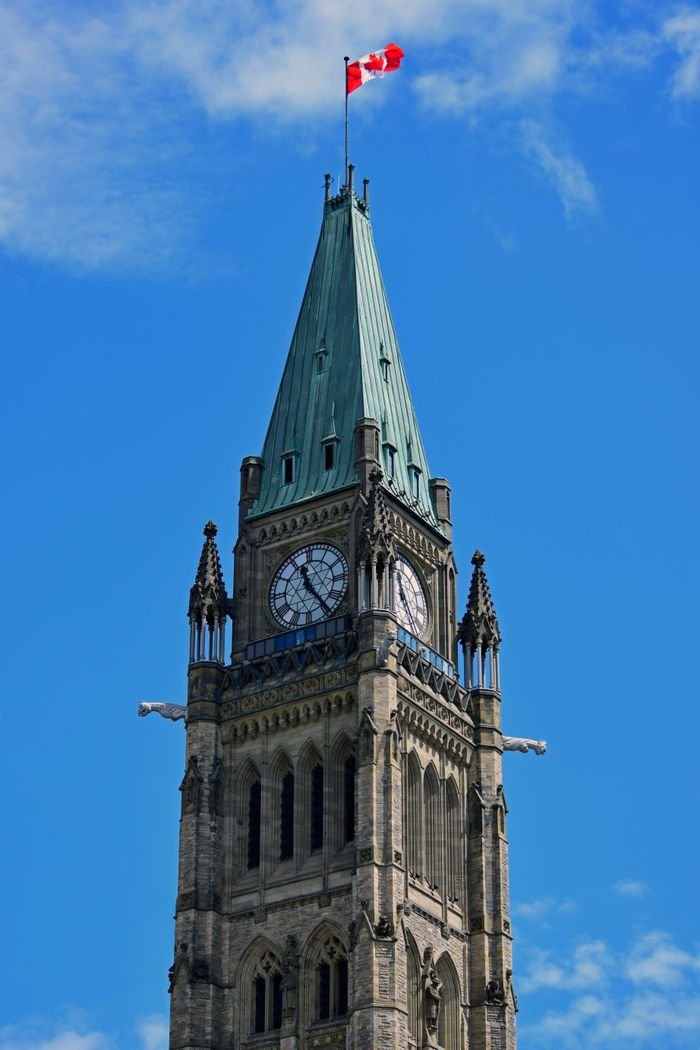
Canada’s history is a rich collection of people, cultures, achievements, challenges, and defining moments. From the traditions of Indigenous Peoples that reach back thousands of years to the growth of modern cities and communities, every chapter contributes to the identity of the country we know today.
At Canada150Years, our historical content helps Canadians explore these stories, understand their significance, and build a stronger connection with Canada’s shared heritage.
Understanding the First Peoples of Canada
The history of Canada began long before Confederation. First Nations, Inuit, and Métis communities developed distinct cultures, languages, governance systems, traditions, and relationships with the land over thousands of years.
Their knowledge, oral histories, artistic traditions, and contributions remain essential parts of Canada’s national story. Learning about Indigenous history also helps Canadians better understand the lasting effects of colonization, the residential school system, treaty relationships, and the continuing journey toward reconciliation.
Canada’s history cannot be fully understood without recognizing and respecting the experiences, resilience, and contributions of Indigenous Peoples.
The Road to Confederation
On July 1, 1867, Ontario, Quebec, New Brunswick, and Nova Scotia joined together to form the Dominion of Canada. This historic event, known as Confederation, marked the beginning of Canada as a self-governing country within the British Empire.
Over time, additional provinces and territories joined Confederation, helping shape Canada into the diverse nation it is today. The country continued to develop its own political institutions, legal systems, infrastructure, and national identity.
Confederation was an important milestone, but it was only one part of a much larger and more complex Canadian story.
Immigration and Cultural Diversity
Generations of immigrants have helped build Canada’s communities, industries, institutions, and economy. People arrived from Europe, Asia, Africa, the Caribbean, the Middle East, and many other parts of the world, bringing their languages, traditions, skills, and experiences.
Many newcomers faced discrimination, difficult working conditions, and barriers to full participation in Canadian society. Despite these challenges, immigrant communities established businesses, built neighbourhoods, created cultural organizations, and contributed to the country’s growth.
Today, multiculturalism is one of Canada’s most recognized characteristics. Exploring immigration history allows us to appreciate the courage of those who created new lives while preserving their cultural heritage.
Canada During Times of War
Canada’s participation in major conflicts has significantly influenced its development and international reputation. Canadian soldiers served during the First and Second World Wars, the Korean War, peacekeeping missions, and other international operations.
Battles such as Vimy Ridge became important symbols of Canadian courage and national unity. However, the human cost of war was immense. Thousands of Canadians lost their lives, while veterans and their families faced lasting physical and emotional effects.
Historical records, personal letters, photographs, memorials, and military artifacts help preserve these experiences for future generations.
Social Progress and Civil Rights
Canada’s history includes important movements for equality, justice, and human rights. Women fought for the right to vote, workers organized for safer conditions, and racialized communities challenged discriminatory policies and practices.
The country has made significant progress, but this progress was often achieved through years of advocacy, sacrifice, and public action. Learning about these movements reminds us that social change does not happen automatically. It requires individuals and communities who are willing to speak out and work toward a fairer society.
These stories also encourage Canadians to reflect on inequalities that still exist today.
Preserving Local History
National history is made up of thousands of local stories. Historic buildings, schools, churches, businesses, farms, community centres, newspapers, and family records reveal how people lived and how communities changed over time.
A photograph of a former main street, an interview with a longtime resident, or a document preserved in a local archive can provide valuable insight into Canada’s past.
By recording and sharing local history, communities can protect important memories that might otherwise be lost. These resources help younger generations understand the people, places, and events that shaped their hometowns.
Why Historical Content Matters
History is more than a collection of dates and famous names. It helps us understand how past decisions continue to influence modern Canada.
Historical content allows us to:
- Recognize the achievements and sacrifices of earlier generations.
- Understand the origins of Canadian institutions and traditions.
- Learn from periods of injustice, conflict, and discrimination.
- Celebrate cultural diversity and community resilience.
- Preserve important stories for future generations.
- Develop a deeper understanding of Canadian identity.
Studying history also encourages critical thinking. It invites us to examine different perspectives, question established narratives, and recognize that the same event may be experienced differently by different communities.
Connecting Canadians With Their Heritage
Canada’s history belongs to everyone. Whether your family has lived here for generations or you recently made Canada your home, there are countless stories that can help you understand the country and your place within it.
Through historical articles, community stories, archival photographs, heritage resources, and educational features, Canada150Years is committed to making Canadian history accessible and meaningful.
By preserving the past and sharing its lessons, we can better appreciate the Canada of today and help build a more informed, inclusive, and connected future.